Cultural Influences Shaping Bonus Mechanics Across Global Table Gaming Platforms
Kirjoittanut Casey Zimmermann · 29.8.2026
Cultural Influences Shaping Bonus Mechanics Across Global Table Gaming Platforms
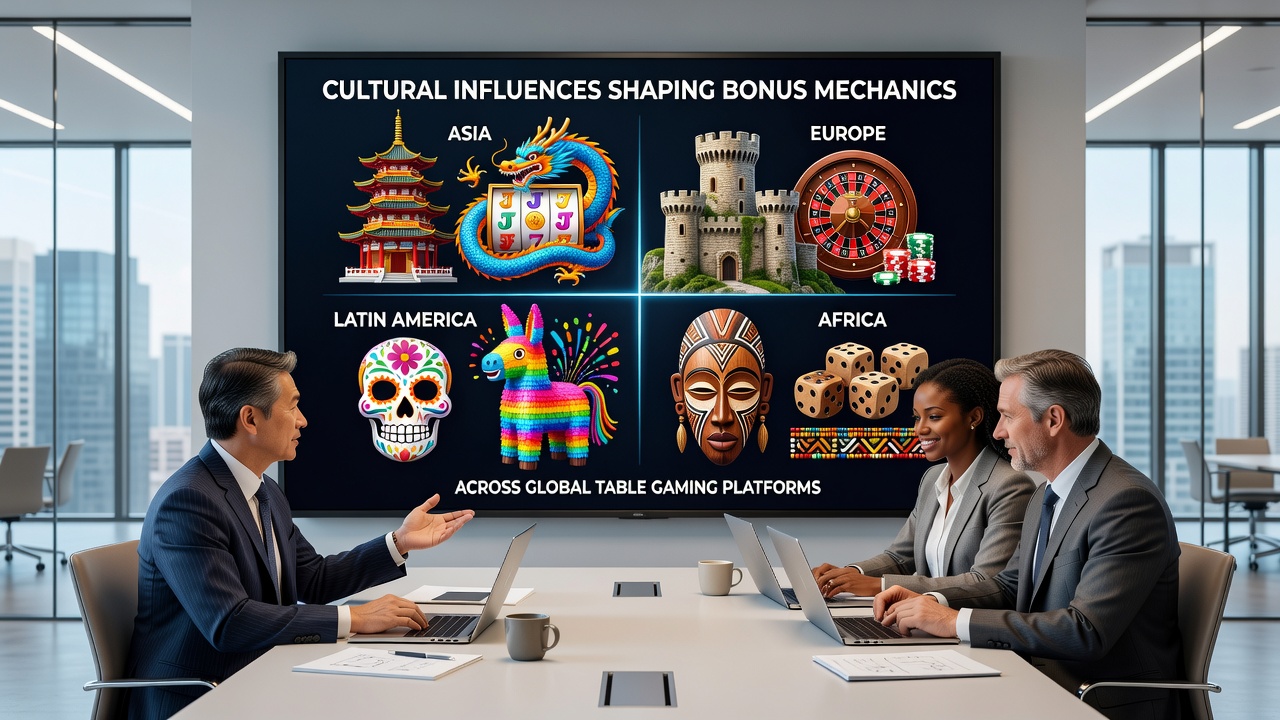
Table gaming platforms operate across diverse regions and developers incorporate bonus mechanics that reflect local traditions, festivals, and social norms. These features appear in games such as blackjack, baccarat, and poker variants where side bets or progressive elements tie into cultural symbols. Data from industry reports indicate that platforms adjust reward structures to align with regional preferences, with Asia showing strong integration of seasonal events while North American operators emphasize sports-related multipliers.
Asian Market Adaptations in Bonus Design
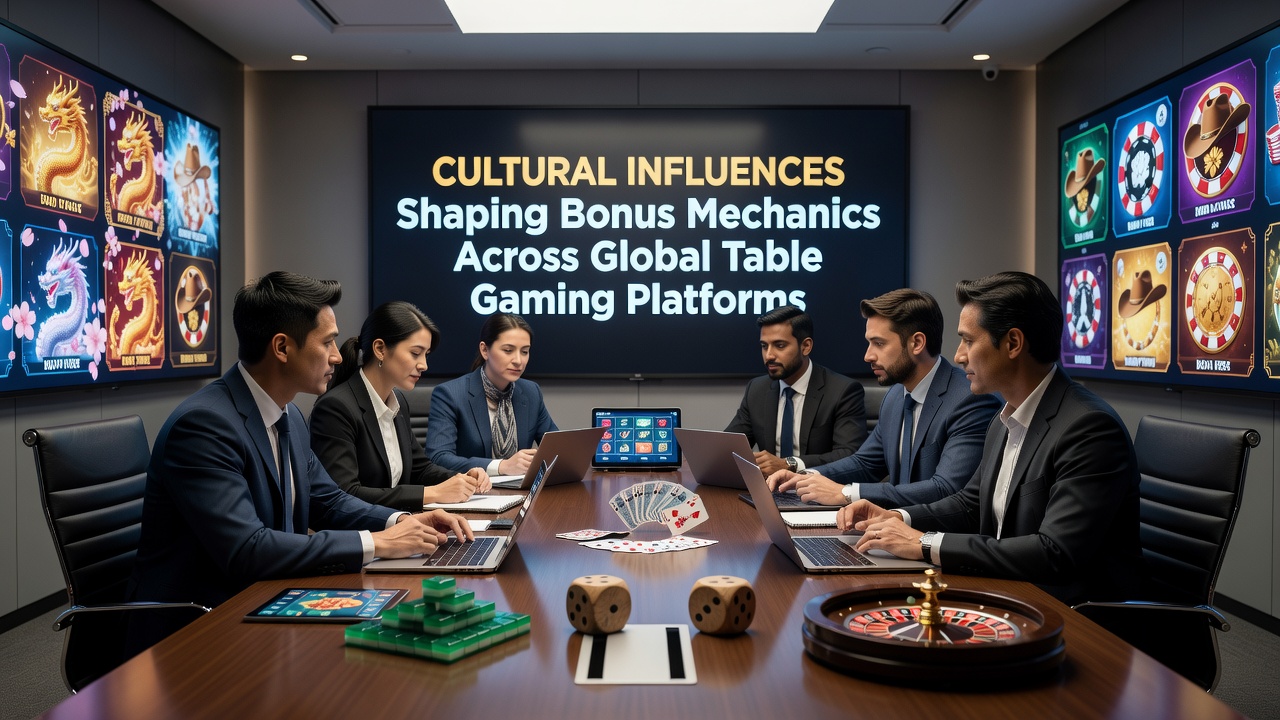
Platforms serving East Asian audiences frequently embed bonus mechanics around lunar calendar events and historical motifs. In August 2026 several operators introduced limited-time dragon-themed progressive pools for baccarat tables that activate during the Ghost Festival period, allowing players to accumulate shares based on consecutive wins. Research from academic institutions shows these timed bonuses increase participation rates in markets where communal celebrations hold central importance. Observers note that symbols such as red envelopes or koi fish appear as scatter triggers, converting base game outcomes into additional payout tiers that mirror gift-giving customs.
Operators in Southeast Asia extend this approach through community jackpot systems. These mechanics pool contributions across multiple tables and release larger awards when specific card combinations occur during regional harvest festivals. Figures from regulatory filings reveal that such layered bonuses maintain steady engagement because they connect directly to shared cultural narratives rather than generic prize pools.
European Traditions Reflected in Reward Structures
European table gaming platforms often draw from historical card clubs and seasonal tournaments when shaping bonus layers. Multipliers tied to classic literature or medieval tournaments appear as side-bet options in roulette variants, where landing certain number sequences unlocks narrative-driven rewards. Studies conducted by research centers in the region document how these elements preserve continuity with long-standing gaming societies that once met in physical halls.
Regulators in Malta and other EU jurisdictions track these mechanics through compliance reports that emphasize transparency in cultural theming. Platforms adjust bonus frequency to coincide with national holidays, creating temporary increases in payout percentages that align with public celebrations. This practice appears consistently across operators licensed under frameworks that prioritize player information and fair return calculations.
North American and Latin American Variations
North American platforms integrate bonus mechanics that reference professional sports leagues and national holidays. Poker sites licensed in Nevada offer side-pot bonuses during major championship periods where accumulated contributions convert into additional hands or rebuy credits. According to data released by state gaming control boards, these timed features correspond with measurable spikes in table traffic during playoff seasons.
Latin American operators apply similar logic through carnival and independence-day themes. Bonus rounds in blackjack often feature multiplier ladders that activate when players achieve specific combinations during designated festival windows. Industry analyses from Canadian and Australian research groups confirm that these culturally anchored rewards sustain longer session durations compared with neutral prize structures.
Regulatory and Technical Considerations Across Regions
Gaming authorities in multiple jurisdictions require documentation of how bonus algorithms interact with cultural themes to ensure fairness and clarity. Technical standards mandate that random number generators remain independent of thematic overlays while payout tables display all possible outcomes. Platforms must publish return-to-player percentages that account for both base game and bonus contributions, allowing players to review mechanics before participation.
International trade associations compile comparative data showing that successful cultural integration correlates with higher retention when operators consult local historians and community representatives during development. This collaborative process appears in markets ranging from Australia to parts of Africa where table games incorporate indigenous patterns into bonus triggers without altering underlying probability models.
Conclusion
Global table gaming platforms continue to refine bonus mechanics by drawing on regional customs, holidays, and social practices. These adaptations appear through timed events, symbolic triggers, and community-style jackpots that maintain technical integrity while resonating with local audiences. Regulatory oversight across jurisdictions ensures that cultural elements enhance rather than obscure the mathematical foundation of each game, supporting consistent player understanding and operational compliance.