How Payment Processors Influence Slot Mechanics Across Different Regions
Kirjoittanut Harper Schmidt · 24.8.2026
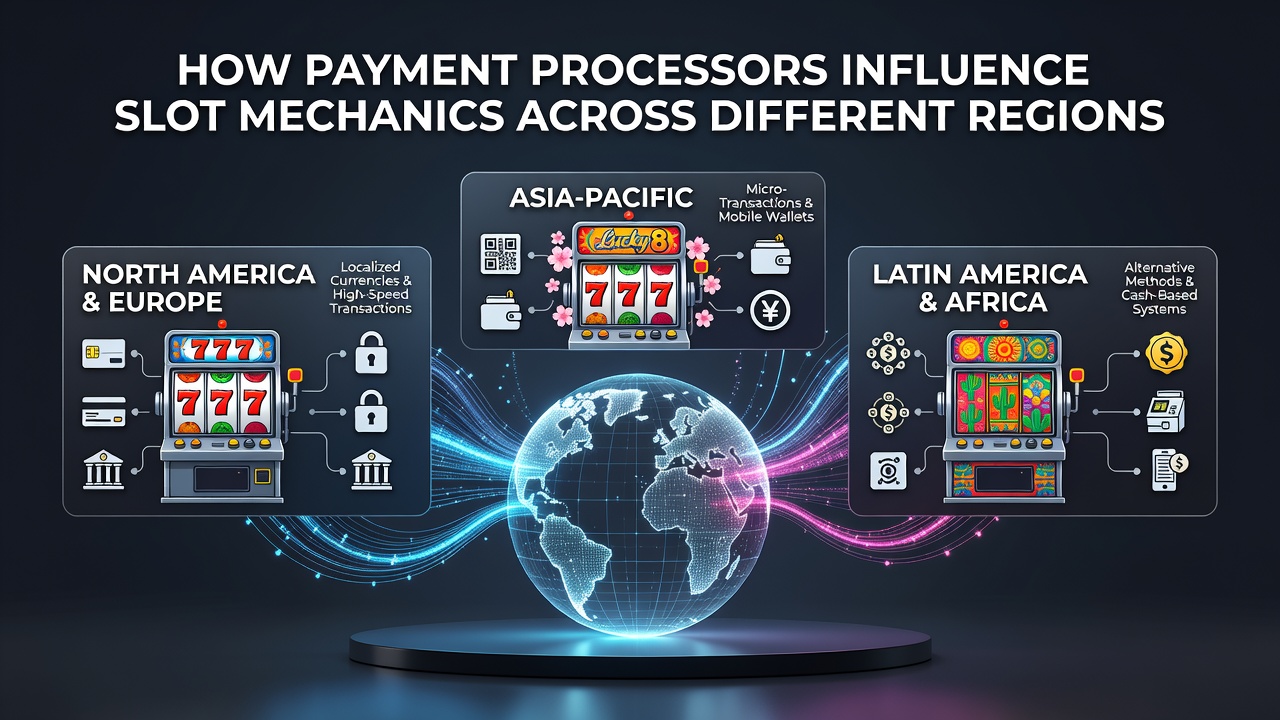
How Payment Processors Influence Slot Mechanics Across Different Regions
Payment processors shape slot mechanics through compliance requirements that vary sharply by jurisdiction and these rules directly affect game design parameters like volatility settings, bonus trigger frequencies, and currency handling protocols. Researchers tracking industry data note that processors such as Visa and Mastercard impose transaction verification standards which force operators to adjust payout structures so they align with regional banking regulations and anti-money laundering protocols.
North American Approaches to Processor Compliance
Operators in Nevada and New Jersey integrate processor-mandated verification layers that require real-time transaction logging and these steps influence how slots handle micro-transactions and session limits. Data from state gaming reports shows that minimum bet thresholds often rise in markets where processors charge higher per-transaction fees which in turn pushes developers to recalibrate reel weighting and symbol distribution. One study released in early 2025 by a North American research consortium revealed that slots in these jurisdictions feature tighter volatility bands compared to markets with lower processing costs.
European Variations and Currency Integration
Across the European Union payment processors must accommodate multiple currencies and this requirement leads studios to embed dynamic exchange rate calculators directly into game engines so that displayed wins remain consistent regardless of player location. Malta-based regulators have documented cases where processor rules on refund windows prompted changes to bonus round mechanics ensuring that partial wins can be cashed out without violating settlement timelines. Observers note that August 2026 will bring updated cross-border payment directives that may further standardize how slots manage progressive jackpot contributions when multiple currencies are involved.
Asia-Pacific Market Adaptations
Markets such as Australia and parts of Southeast Asia rely heavily on local payment rails and these systems often demand lower latency which encourages developers to streamline random number generator calls during high-volume transaction periods. Industry reports indicate that slots popular in these regions incorporate more frequent small wins to match the rapid settlement cycles preferred by processors like those tied to national banking networks. Figures from Australian gaming authorities reveal that average return-to-player percentages remain stable even as processor fees fluctuate because operators adjust free-spin frequencies rather than base game math.
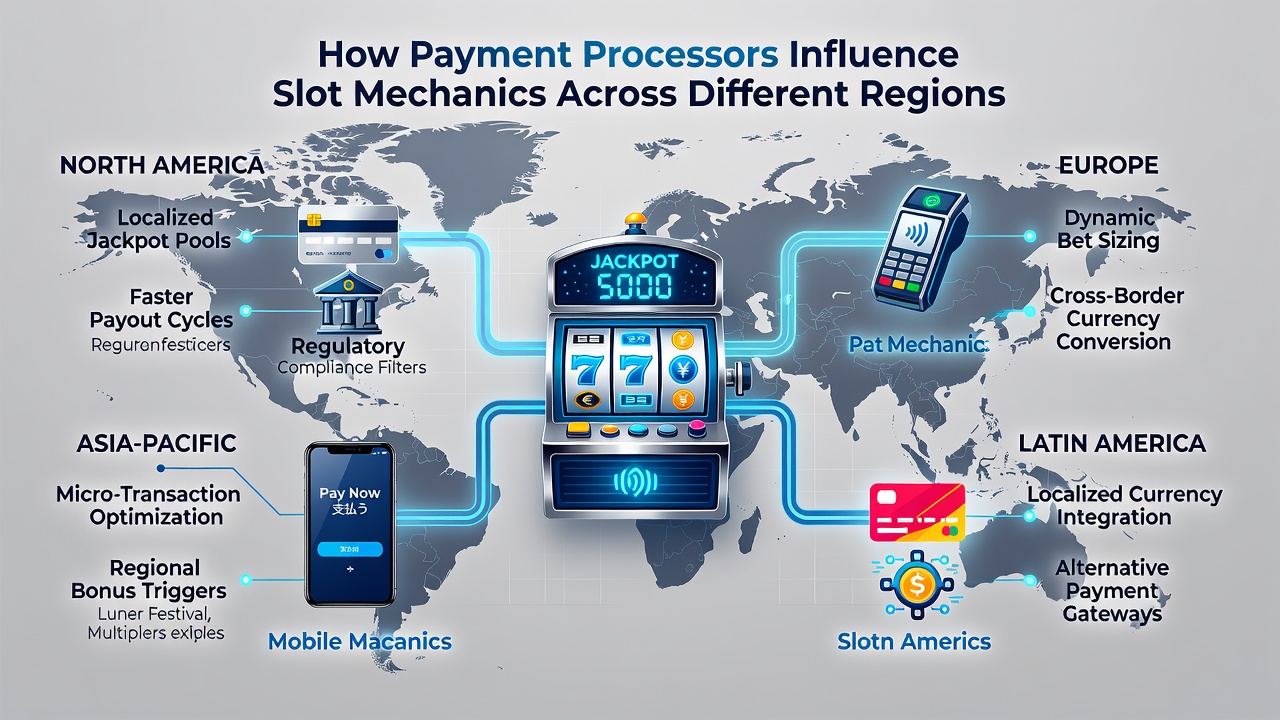
Emerging Technology and Processor Influence
Cryptocurrency processors introduce another layer of variability because blockchain settlement times affect how progressive systems accumulate and distribute prizes. Developers working in jurisdictions that permit digital assets have begun embedding hybrid RNG models that account for both traditional card networks and crypto confirmations so that jackpot triggers remain fair across payment types. Research published by international gaming laboratories shows that volatility curves in crypto-enabled slots often skew slightly higher to compensate for the slower finality of some blockchain transactions.
Regulatory Reporting and Data Sharing Requirements
Many processors now require operators to share anonymized transaction data with oversight bodies and this flow of information influences how studios test new mechanics before release. Canadian provincial regulators for example request detailed logs that include payment method alongside spin outcomes which helps identify patterns where certain processors correlate with higher dispute rates. Those who analyze these datasets report that slots in these markets sometimes feature modified near-miss frequencies to maintain player engagement while satisfying processor-driven responsible gaming alerts.
Future Outlook Through 2026
By August 2026 several regions are scheduled to implement enhanced processor authentication standards that will likely prompt another round of mechanical tweaks including faster auto-cashout options and region-specific reel configurations. Trade associations tracking these developments expect continued convergence between payment technology and game mathematics as operators seek to minimize friction while meeting diverse compliance demands across borders.
Conclusion
Payment processors exert measurable influence over slot mechanics through fee structures, verification protocols, and settlement rules that differ by region and developers respond by adjusting volatility, bonus timing, and currency handling within each market. Continued evolution in processor technology will keep driving incremental changes to game design as operators balance regulatory demands with player expectations worldwide.